The Report
THE REPORT
The Report
The mission, the reframe, and the data behind the series.
AN INVESTIGATIVE LEGAL SERIES
Some of what families call “corrupt”
may raise questions about possible federal fraud.
In this series, a practicing criminal trial attorney teaches families to distinguish civil grievances from facts that may warrant review for possible federal crimes, using statutes that have existed for decades but are difficult for nonlawyers to apply.
Every Zoom hearing. Every e-filed document. Every inflated bill mailed to a parent. These are wires. These are potential elements.
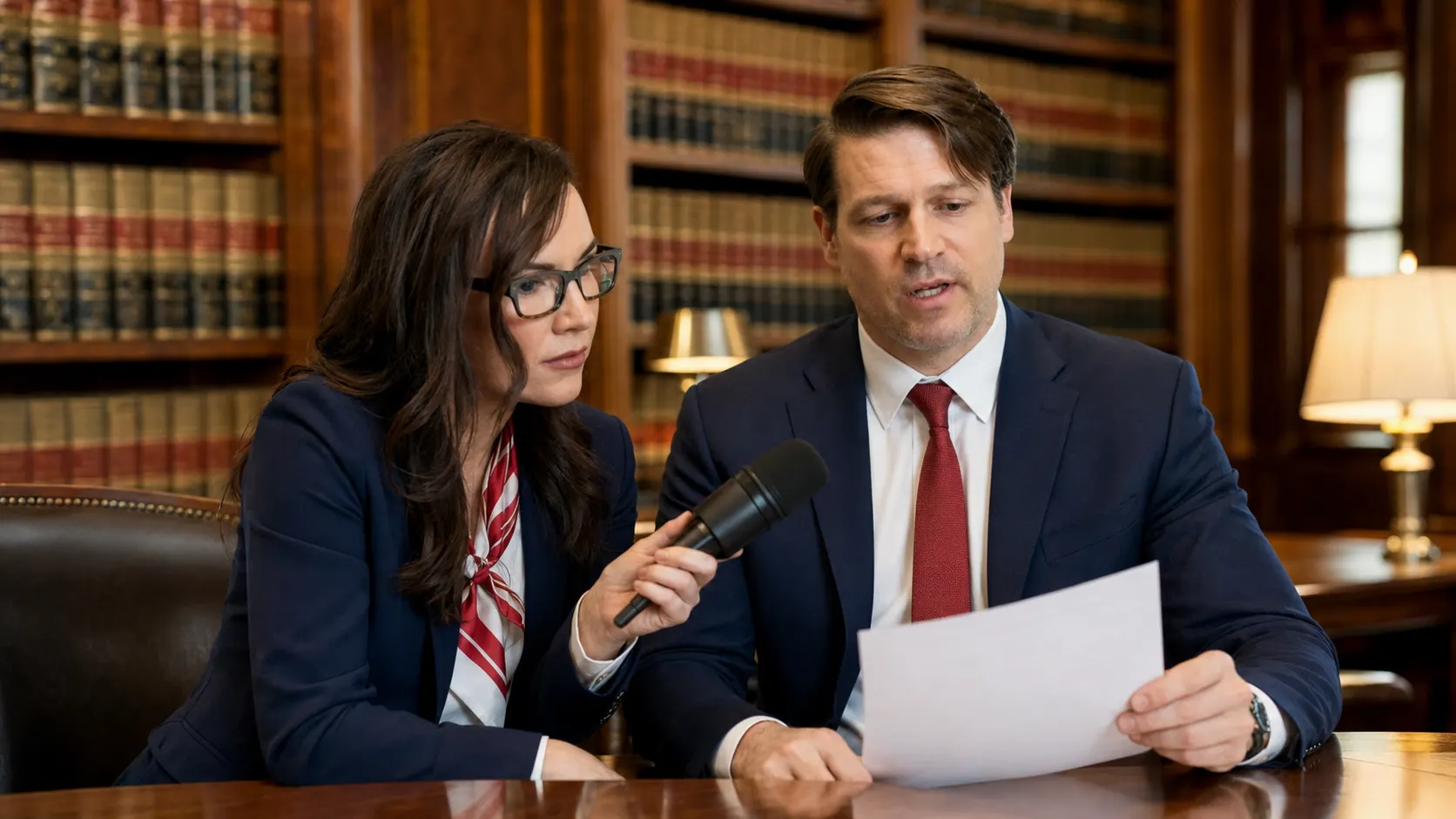
THE REFRAME
“I think some of you are the victims of crime, and I think that you're going to the wrong place to get relief.”
— Shawn Lee, Criminal Trial Attorney
THE DATA NO ONE ELSE HAS
Thousands of family reports.
Patterns worth examining carefully.
50
U.S. States Represented
Family-reported submissions span every U.S. state.
$1.0B+
Reported Financial Losses
Family-reported across 5,842 families. Still growing.
5,842
Family-Reported Submissions
3,153 of those families said they were representing themselves.
381
Public Court Actors
Currently meeting the three-family threshold at standwithmeg.com, and still growing.
DOJ uses data-driven investigative techniques to identify possible fraud. Family-reported data can raise questions, but it does not prove a crime.
FAMILY-REPORTED SUBMISSIONS.
FAMILY-REPORTED SUBMISSIONS.
We're still collecting parent submissions so Shawn and Meg can see whether the same fraud patterns keep showing up in your courts. If you haven't shared your experience yet, the survey is open.